Product Description
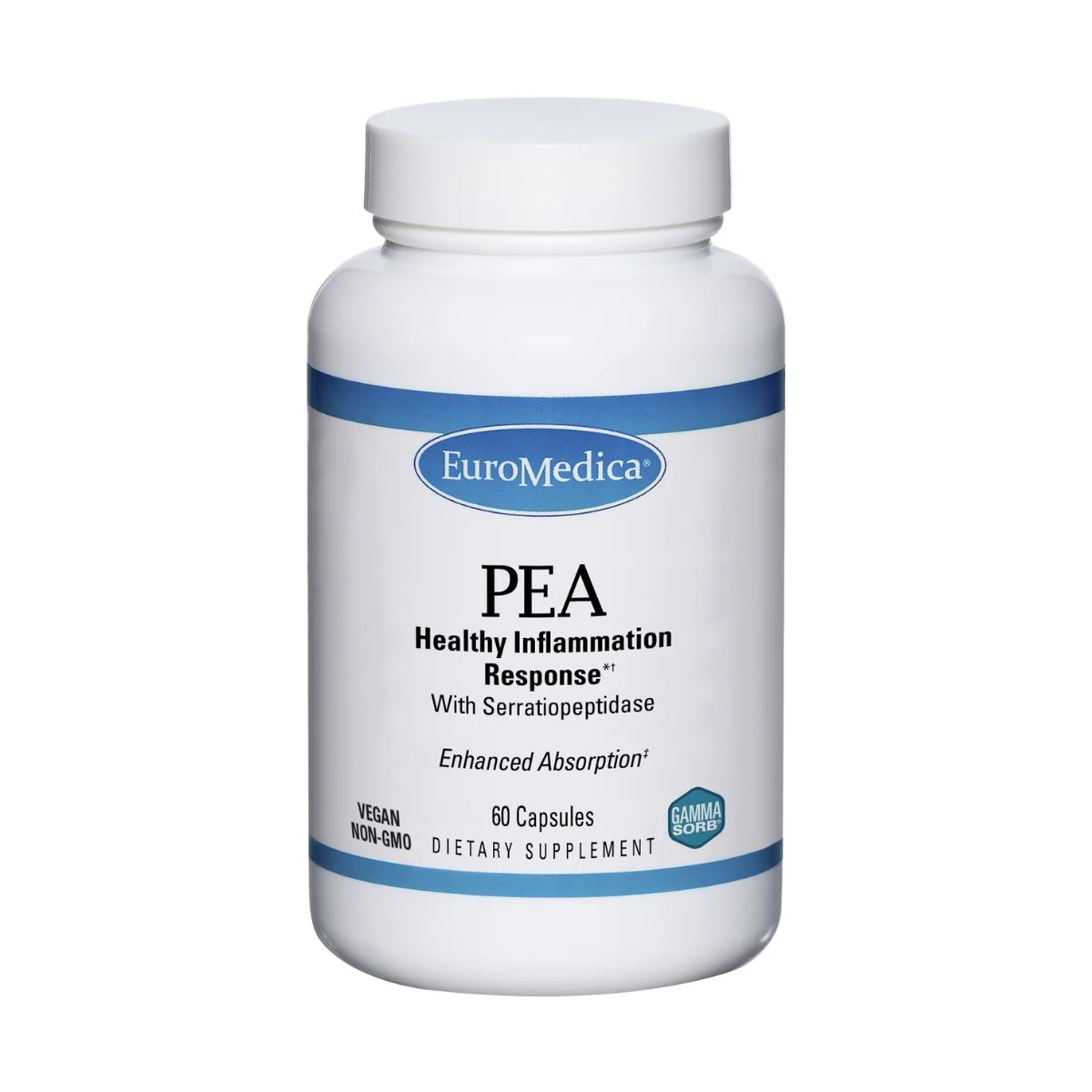
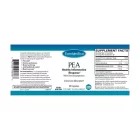
EuroMedica® PEA Healthy Inflammation Response
Broad-spectrum support for a healthy inflammation response — for relief of soreness or discomfort associated with occasional pain, stiffness as a result of overexertion and everyday stress
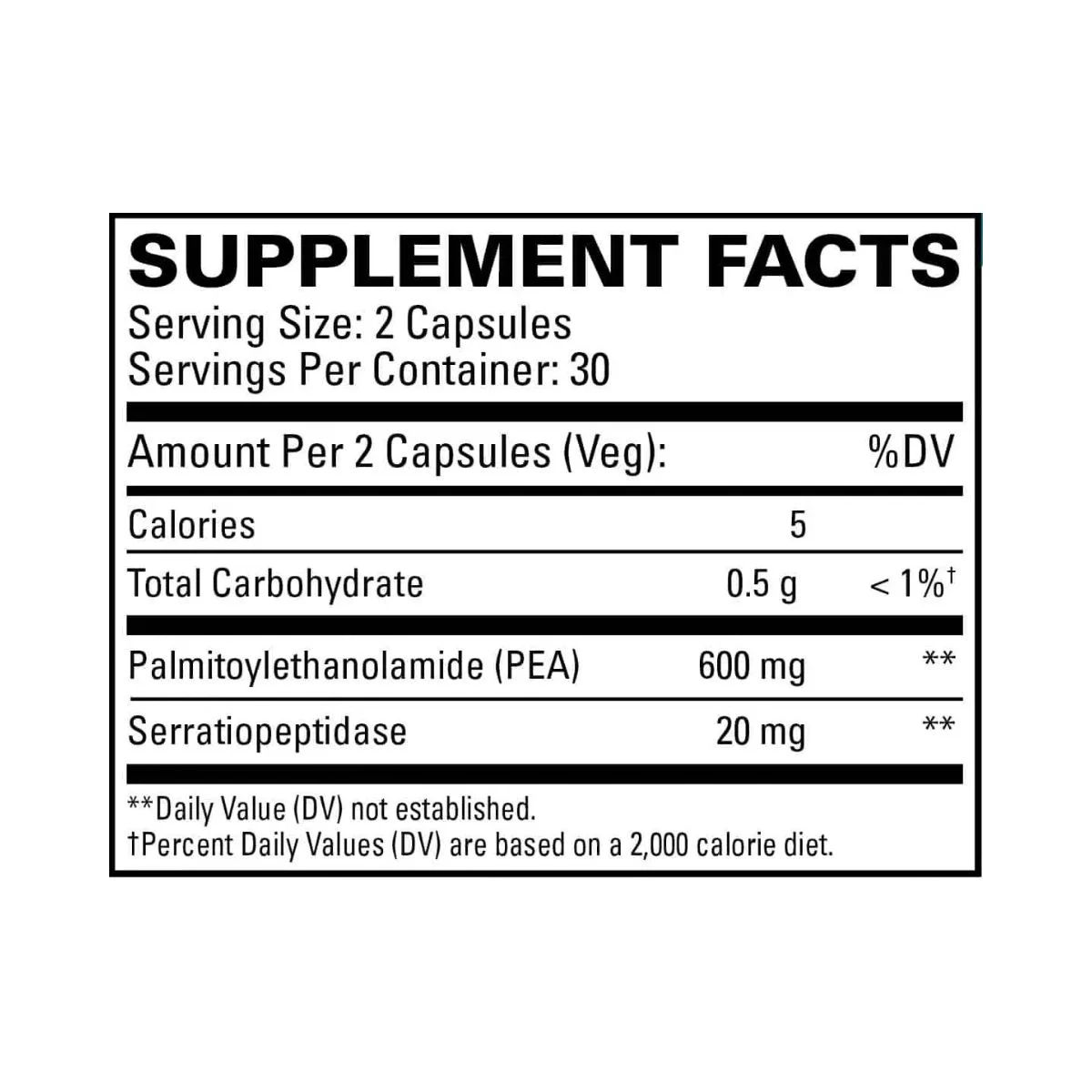
Palmitoylethanolamide (PEA) is a naturally occurring food component (e.g. found in egg yolks and peanuts) recognized for its ability to support pain relief, healthy mood, cognitive strength, mobility and exercise recovery. PEA is also made in the human body.
PEA is an extensively researched natural ingredient for important neuroprotective actions.
There have been hundreds of research papers referenced in PubMed on Palmitoylethanolamide (PEA) and how it can help the body. Most notably, the work of Nobel laureate Levi-Montalcini focused on PEA’s support of neuropathic pain states.
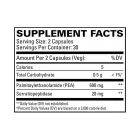
This specially formulated PEA supplement from Euromedica includes Serratiopeptidase, a proteolytic enzyme that supports muscle recovery, mobility, and microcirculation.
Euromedica’s PEA is also unique in that it is highly absorbable. It contains GammaSorb®, a plant-based material that binds to nutrients, making them more easily absorbed and more bioavailable for optimal benefits. GammaSorb has been shown to increase the absorption of certain hard to absorb (fat soluble) dietary ingredients.
Euromedica PEA Supports Conditions Related to Inflammation.
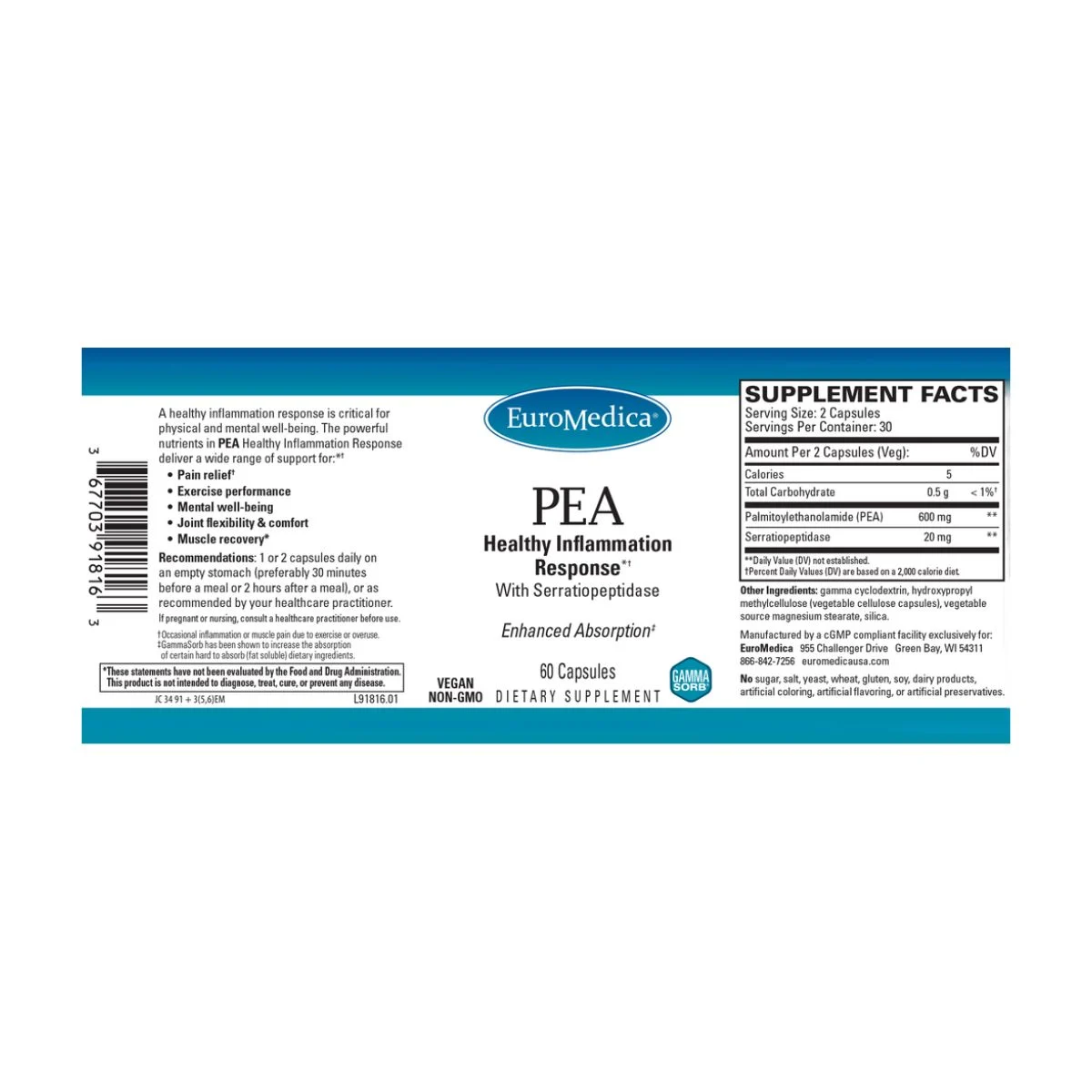
A healthy inflammatory response is critical for physical and mental well-being. The powerful nutrients in PEA Healthy Inflammation Response deliver a wide range of support for: *†
- Pain relief†
- Exercise performance
- Mental well-being
- Joint flexibility & comfort
- Muscle recovery
- Healthy nerve function
†Occasional inflammation or muscle pain due to exercise or overuse.
How can PEA (Palmitoylethanolamide) Be a Therapeutic Opportunity for Chronic Pain?
“A growing body of evidence suggests that neuroinflammation, which is characterized by infiltration of immune cells, activation of mast cells and glial cells, and production of inflammatory mediators in the peripheral and central nervous systems, has an important role in the induction and maintenance of chronic pain.
These findings support the notion that new therapeutic opportunities for chronic pain might be based on anti-inflammatory and pro-resolving mediators that act on immune cells, in particular mast cells and glia, to mitigate or abolish neuroinflammation.
Among anti-inflammatory and pro-resolving lipid mediators, palmitoylethanolamide (PEA) has been reported to down-modulate mast cell activation and to control glial cell behaviors.” — Pain Physician, February 2016
Over 80 Years of Research on Palmitoylethanolamide
PEA was identified over 80 years ago when it was isolated from animals. It was later found to be contained in chicken egg yolk, olive oil, safflower and soy lecithin, peanut meal, and several other foods.
Nobel laureate Rita Levi-Montalcini and her group identified the anti-inflammatory and analgesic properties and mechanism of action of PEA.
PEA is an endogenous fatty acid amide (FAA) that belongs to the family of biologically active lipids that are increased by the body to soothe discomfort naturally.
FAAs like PEA play a role in intracellular signaling to resolve factors that lead to cellular stress and inflammation. PEA is incorporated into cell membranes and works in concert with the endocannabinoid system.
Read review article for more technical information about PEA.
“Professor Rita Levi-Montalcini on Nerve Growth Factor, Mast Cells and Palmitoylethanolamide, an Endogenous Anti-Inflammatory and Analgesic Compound”
Citation: Hesselink JMK (2013) Professor Rita Levi-Montalcini on Nerve Growth Factor, Mast Cells and Palmitoylethanolamide, an Endogenous Anti-Inflammatory and Analgesic Compound. J Pain Relief 2:114. doi: 10.4172/2167-0846.1000114
Manufactured for Euromedica.